Guides
Read them in order if you are new to plug-in solar, or jump to the question you have.
 Guide 1
What is plug-in solar? How balcony solar kits work in the US
A plug-in solar kit is one to four panels and a microinverter that plug into a regular 120 V outlet. Here is how they work, what they can power, and where they are legal.
Read the guide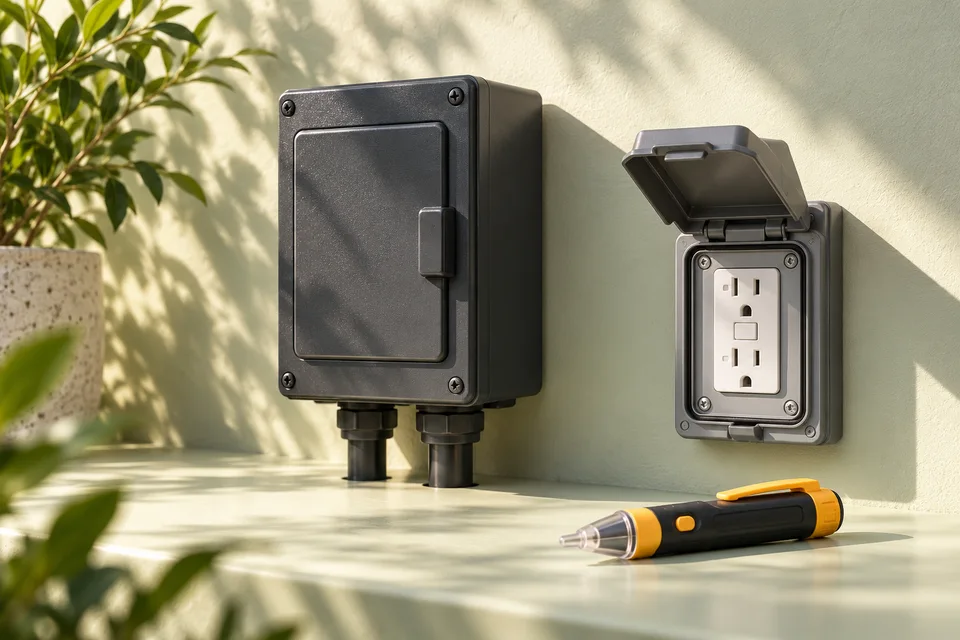 Guide 2
Is plug-in solar safe? The real risks and how kits handle them
The three real hazards of balcony solar are a live plug, an overloaded circuit and power during an outage. How certified kits handle each, and what to check.
Read the guide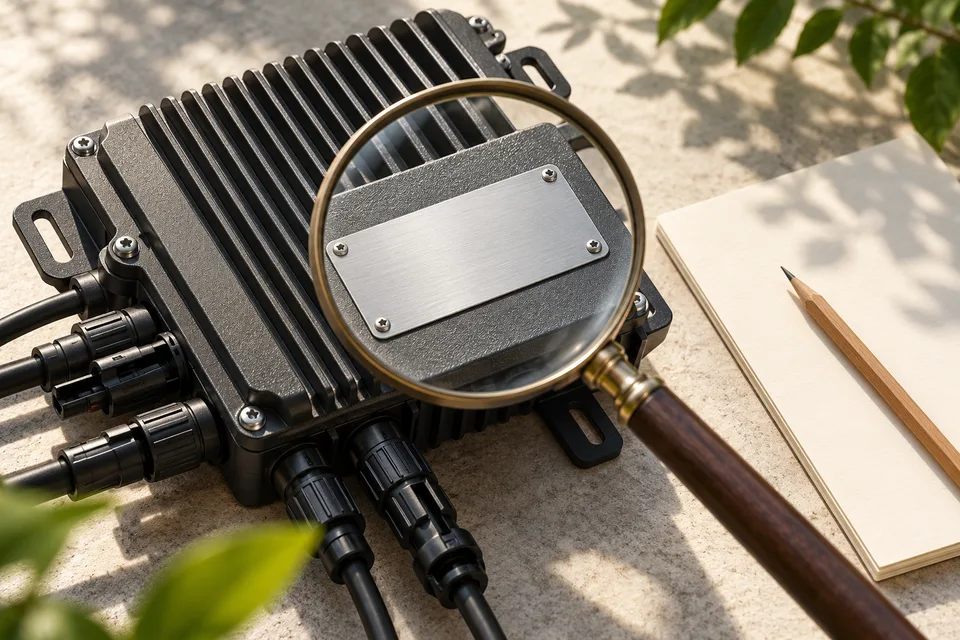 Guide 3
UL 3700 explained: the certification for plug-in solar kits
UL 3700 is the first US test program for plug-in solar. What it covers, which states require it, which products have it, and how it differs from UL 1741.
Read the guide Guide 4
Balcony solar for renters and HOAs: what each state allows
Some plug-in solar laws protect tenants and condo owners, others leave leases and HOA rules untouched. A state-by-state breakdown and a template for asking your landlord.
Read the guide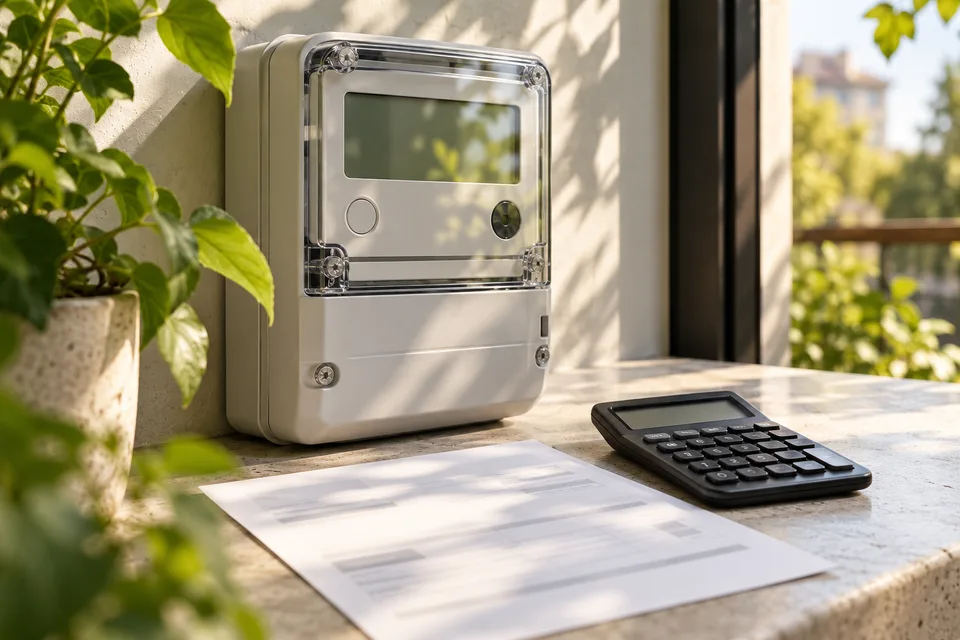 Guide 5
Is plug-in solar worth it? Payback by state for a balcony kit
Compare modeled production, self-use and simple payback for the same 800 W balcony kit across states, with explicit weather, load and price assumptions.
Read the guide Guide 6
Balcony solar orientation, tilt and shade: how much each costs you
Compare modeled sunlight at different balcony tilts and directions, understand shading limits and use location-specific production estimates.
Read the guide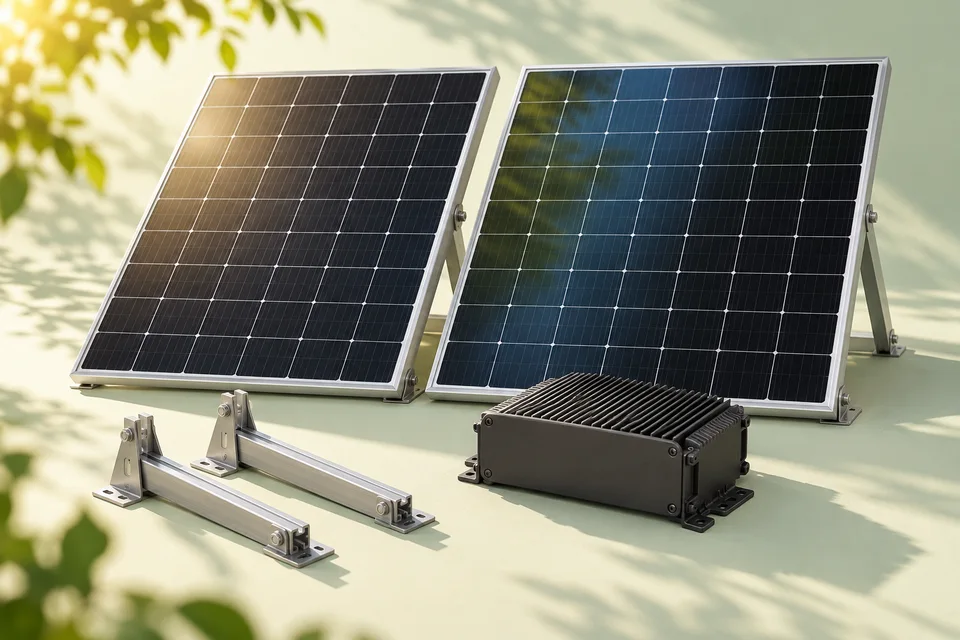 Guide 7
How to choose a plug-in solar kit: size, certification, mounting
Pick the size from your always-on load, the certification from your state law, and the mount from your railing. A checklist for buying a balcony solar kit in the US.
Read the guide